

Can a lab water tap be used in a biological laboratory?
Leave a message

In the intricate world of biological laboratories, every piece of equipment plays a crucial role in ensuring the safety, accuracy, and efficiency of scientific research. Among these, the seemingly mundane lab water tap is often overlooked, yet it is a fundamental component that can significantly impact laboratory operations. As a leading lab water tap supplier, I am frequently asked whether a standard lab water tap can be used in a biological laboratory. In this blog post, I will delve into this question, exploring the unique requirements of biological labs and how the right water tap can meet these needs.
The Unique Requirements of Biological Laboratories
Biological laboratories are designed for conducting research on living organisms, including cells, tissues, and microorganisms. These environments demand strict adherence to safety and hygiene standards to prevent contamination and ensure the integrity of experiments. The water used in these labs is often involved in various processes, such as sample preparation, equipment cleaning, and autoclaving. Therefore, the quality of water and the way it is dispensed are of utmost importance.
One of the primary concerns in biological laboratories is the prevention of cross - contamination. Any form of contamination can compromise the results of experiments, leading to inaccurate data and potentially wasted time and resources. To mitigate this risk, lab water taps must be designed to minimize the contact between the user and the water source, as well as prevent the backflow of contaminated water into the main supply.
Another crucial aspect is the need for precise control of water flow and temperature. Many biological processes are sensitive to changes in these parameters, and even minor fluctuations can affect the outcome of experiments. For instance, in cell culture, the use of water at the wrong temperature can damage cells, leading to failed cultures.
Can a Standard Lab Water Tap Be Used?
A standard lab water tap may not be sufficient to meet the specific requirements of a biological laboratory. While it can provide a basic supply of water, it may lack the features necessary to ensure safety and precision. For example, a traditional tap with a hand - operated valve requires the user to touch the valve, which can introduce contaminants from their hands into the water or onto the tap surface. This is a significant risk in a biological lab where maintaining a sterile environment is essential.
Additionally, standard taps may not offer the level of control needed for biological experiments. They may have a limited range of flow rates and may not be capable of maintaining a consistent temperature. This can be a problem when working with temperature - sensitive samples or when precise amounts of water are required.
The Ideal Lab Water Tap for Biological Laboratories
To address the unique challenges of biological laboratories, specialized lab water taps have been developed. These taps are designed with features that enhance safety, hygiene, and control.
1. Touchless Operation
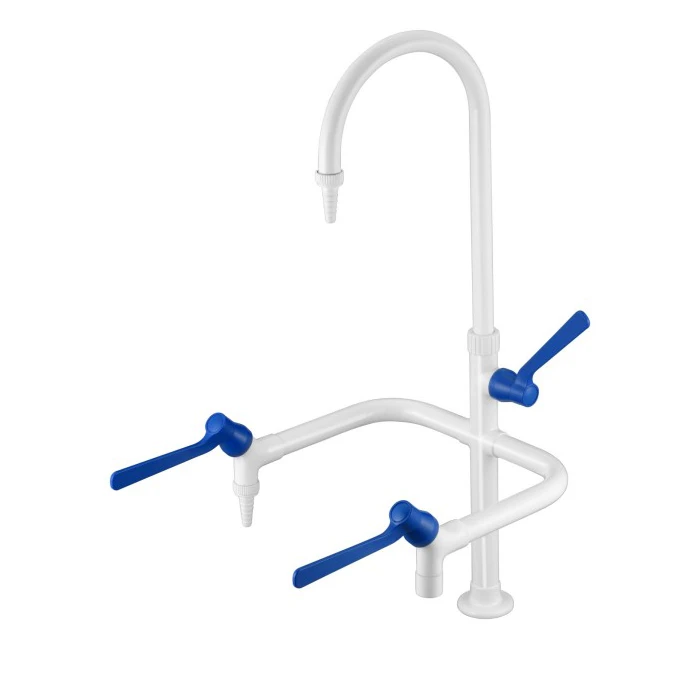
Some of our advanced taps, such as the Water Tap With Wrist Lever, offer touchless operation. This allows users to control the water flow without touching the tap directly, reducing the risk of cross - contamination. With a simple wrist movement, users can turn the water on and off, making it a convenient and hygienic option for biological labs.
2. Adjustable Flow and Temperature
Another important feature is the ability to adjust the flow rate and temperature of the water. Our Three Way Lab Faucet provides multiple flow options, allowing users to choose the right amount of water for their specific needs. It also has a precise temperature control system, ensuring that the water is at the optimal temperature for biological processes.
3. High - Quality Materials
The materials used in the construction of lab water taps are also critical. Stainless steel is a popular choice for biological laboratories due to its durability, resistance to corrosion, and ease of cleaning. Our Stainless Steel Lab Tap is made from high - grade stainless steel, which not only provides long - term reliability but also helps to maintain a clean and sterile environment.
Benefits of Using the Right Lab Water Tap
Investing in a specialized lab water tap for a biological laboratory offers several benefits.
1. Improved Safety and Hygiene
By minimizing the risk of cross - contamination, the right water tap helps to protect both the researchers and the samples. This reduces the likelihood of accidents and ensures the reliability of experimental results.
2. Enhanced Precision
The ability to control the flow rate and temperature of the water allows for more precise experimental procedures. This can lead to more accurate data and better - quality research.
3. Increased Efficiency
Touchless operation and adjustable features make it easier and faster to use the water tap, saving time and increasing productivity in the laboratory.
Conclusion
In conclusion, while a standard lab water tap may seem like a viable option, it is clear that a specialized lab water tap is essential for a biological laboratory. The unique requirements of these labs, such as preventing cross - contamination, ensuring precise control of water flow and temperature, and maintaining a clean environment, demand a tap that is designed specifically for these needs.
As a leading lab water tap supplier, we understand the importance of providing high - quality products that meet the strict standards of biological laboratories. Our range of specialized taps, including the Water Tap With Wrist Lever, Three Way Lab Faucet, and Stainless Steel Lab Tap, are designed to provide the safety, precision, and efficiency that biological researchers need.
If you are looking to upgrade your biological laboratory's water supply system or are in the process of setting up a new lab, we invite you to contact us for a consultation. Our team of experts can help you choose the right lab water tap for your specific needs and provide guidance on installation and maintenance. Let us help you create a safe and efficient laboratory environment for your important research.

References
- "Laboratory Design and Equipment Selection for Biological Research", Journal of Biological Laboratory Science, Vol. XX, Issue XX, 20XX.
- "Best Practices for Water Management in Biological Laboratories", International Journal of Laboratory Hygiene, Vol. XX, Issue XX, 20XX.


