


Your Professional Sink Supplier
Founded in 1982, Hebei Runwangda Laboratory Equipment Co., Ltd. operates a 26,000㎡ headquarters with a team of over 150 skilled employees. The factory integrates complete in-house production lines, including gravity casting, stamping, CNC machining, polishing, electroplating, plastic spraying, laser marking, and final assembly. Supported by a 2,000㎡ finished-goods warehouse, we ensure stable capacity and timely delivery. Our core equipment includes HAAS CNC machining centers, EDM systems, line-cutting machines, and advanced testing instruments such as spectrometers, salt-spray testers, and pressure and flow testing machines. These capabilities allow Runwangda to provide reliable, consistent manufacturing for global laboratory and industrial applications.


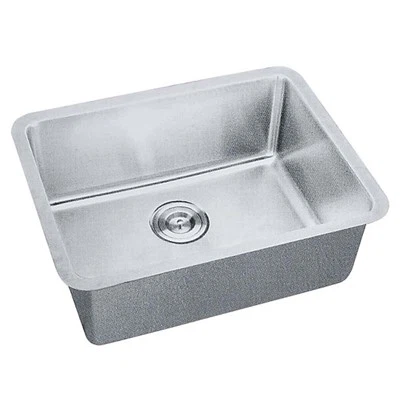


Polypropylene Laboratory Sink
A polypropylene lab sink is a specialized fixture widely used in scientific, medical, and industrial laboratories due to its exceptional resistance to chemicals, corrosion, and staining. Made from high-density polypropylene—a thermoplastic polymer—these sinks offer long-term durability in harsh environments where metal sinks would degrade. Their non-porous surface prevents bacterial growth, making them ideal for sterile and hygienic applications. Available in various configurations, polypropylene lab sinks are engineered to meet the functional demands of modern laboratories, from routine washing to emergency decontamination.

Advantages of Polypropylene Laboratory Sink
Exceptional Chemical Resistance
Polypropylene is highly resistant to a broad spectrum of chemicals, including strong acids (like hydrochloric and sulfuric acid), bases (such as sodium hydroxide), solvents, and oils. This resistance prevents corrosion, staining, and structural degradation, ensuring long-term reliability.
Durability and Impact Strength
The material is tough and resilient, able to withstand accidental impacts from glassware, tools, or equipment without cracking or chipping—making it ideal for busy labs.
Lightweight Design
Compared to stainless steel or ceramic sinks, polypropylene is significantly lighter, simplifying transportation, handling, and installation, especially in modular or mobile lab setups.
Cost-Effectiveness
It provides a favorable balance between performance and price, offering long-term value without the higher cost associated with premium materials like PTFE-lined or high-grade stainless steel sinks.
Non-Reactive Surface
Polypropylene does not leach contaminants or react with reagents, preserving the integrity of sensitive experiments and reducing cross-contamination risks.
Types of Polypropylene Laboratory Sink
Drop-in Sink
Also known as a top-mount sink, this design features a visible rim that rests on the countertop surface, with the basin dropping into a pre-cut opening below.
Undermount Sink
Mounted beneath the countertop, this sink provides a smooth transition from counter to basin with no visible rim, creating a sleek, continuous surface.
Single Bowl Sink
Features one large, open basin designed for versatile use in washing, rinsing, and soaking laboratory glassware and equipment.
Double Bowl Sink
Equipped with two adjacent basins, allowing for simultaneous tasks such as washing in one bowl and rinsing in the other.
Utility Sink
Heavy-duty sinks built for rigorous use, often deeper and more robust than standard models, designed to handle large equipment and aggressive chemicals.
Faucet-Integrated Sink
Pre-assembled units with built-in faucets, valves, and sometimes safety features like eye wash stations or gas taps.
Applications of Polypropylene Laboratory Sink
Educational Institutions
Polypropylene sinks are a staple in schools, colleges, and universities due to their cost-effectiveness, longevity, and resistance to frequent chemical exposure. Commonly installed in science labs, classrooms, and workshops for chemistry, biology, and physics, these sinks support a variety of tasks including hand washing, rinsing glassware, and safe disposal of mild laboratory chemicals.
Research Facilities
In research environments where precision and contamination control are critical, polypropylene sinks play a vital role. These sinks withstand aggressive chemicals used in experimental procedures and are easy to decontaminate, ensuring consistent research integrity.
Medical and Healthcare Centers
Hospitals, clinics, and medical laboratories use polypropylene sinks in areas requiring strict infection control. Their antimicrobial properties and seamless design minimize the risk of pathogen retention, making them suitable for sterile processing and biohazard waste handling.
Industrial and Commercial Settings
Manufacturing plants, workshops, and food processing facilities benefit from the ruggedness and chemical resistance of polypropylene sinks. These sinks meet stringent health and safety codes while enduring daily exposure to oils, detergents, and industrial cleaners.
Laboratories (General and Specialized)
Polypropylene is the material of choice for laboratory sinks due to its superior resistance to both acidic and alkaline substances. These sinks are engineered to handle routine and intensive lab operations, from basic glassware washing to chemical neutralization.
Catering and Hospitality
In commercial kitchens and food service areas, polypropylene sinks offer a hygienic, stain-resistant, and durable solution. Their non-porous surface resists bacterial growth and is easy to clean, meeting strict food safety requirements.
Design Process of Polypropylene Laboratory Sink
One-Piece Molding
PP sinks typically employ one-piece molding technology, where the main body and accessories are injection molded in a single process, resulting in a more compact and aesthetically pleasing structure. This manufacturing method also improves the dimensional accuracy and surface finish of the sink.
Lightweight Design
The lightweight design of PP sinks makes installation and maintenance easier, while also reducing transportation costs.

Factors to consider when selecting a polypropylene laboratory water tank
Type of Laboratory Work: Consider the nature of experiments conducted. Labs handling corrosive chemicals require sinks with excellent chemical resistance, while biological labs may prioritize ease of sterilization and smooth, seamless surfaces to prevent contamination.
Sink Size and Configuration: PP lab sinks come in various sizes, depths, and basin configurations (single, double, or triple bowl). Choose a size that accommodates large glassware and equipment while fitting within the designated space.
Countertop Compatibility: Determine whether your countertop supports drop-in or undermount installation. Laminate tops work best with drop-in models, whereas solid surfaces like epoxy or granite are ideal for undermount sinks.
Durability and Longevity: Assess the expected wear and tear. High-traffic labs benefit from thicker-walled PP sinks that resist deformation and cracking over time.
Durability and Longevity: Assess the expected wear and tear. High-traffic labs benefit from thicker-walled PP sinks that resist deformation and cracking over time.
Ergonomics and Accessibility: Consider height, depth, and user comfort—especially important in shared or multi-user lab environments.
Installation and Fixing
Horizontal and Stable Installation
Ensure the sink is placed on a flat, stable surface to prevent water accumulation or poor drainage due to tilting. For recessed installation, use specialized adhesive or sealing strips to secure the edges and prevent leaks.
Avoid High Temperatures
PP material has limited heat resistance (long-term operating temperature recommended <70℃). Keep away from heat sources (such as ovens and high-temperature reactors) to prevent deformation or softening.
Maintenance
Regular Cleaning
Wash the sink after each use with mild detergent and warm water to remove chemical residues, biological contaminants, or particulates. This prevents buildup and maintains material integrity.
Thorough Rinsing
Always rinse completely with clean water to eliminate any soap or cleaning agent residue, which could interfere with experiments or cause cloudiness over time.
Avoid Harsh Cleaners
Do not use abrasive pads, steel wool, or chlorine-based disinfectants, as they can scratch or degrade the surface. Stick to non-abrasive, pH-neutral cleaners.
Prevent Standing Water
Wipe dry or drain completely after use to discourage mold, mildew, or microbial growth, especially in humid environments.
Inspect Regularly
Check for signs of wear, such as cracks, warping, or discoloration. Address minor damage early to prevent leaks or contamination risks.
Use Protective Accessories
Employ drain boards, trays, or mats when handling hot or sharp items to minimize direct contact and protect the sink surface.
FAQ
We're well-known as one of the leading sink manufacturers and suppliers in China. If you're going to buy customized sink, welcome to get quotation from our factory. For price consultation, contact us.
PP Cup Sink, PP Mid Sink, sink