

What is the lifespan of an eye wash station in the room?
Leave a message

The lifespan of an eye wash station in a room is a crucial consideration for businesses and facilities that prioritize safety. As a trusted supplier of eye wash stations, we understand the importance of ensuring these life-saving devices function effectively when needed. In this blog post, we will delve into the factors that influence the lifespan of an eye wash station, provide maintenance tips to extend its usability, and discuss when it might be time to replace it.
Factors Affecting the Lifespan of an Eye Wash Station
Quality of Materials
The materials used in the construction of an eye wash station play a significant role in determining its lifespan. High-quality materials are more durable and resistant to corrosion, wear, and tear. For example, eye wash stations made from stainless steel or high-grade plastics are generally more long-lasting than those made from lower-quality materials. These materials can withstand the rigors of daily use and exposure to various chemicals and environmental conditions.
Frequency of Use
The frequency with which an eye wash station is used can also impact its lifespan. A station that is used frequently may experience more wear and tear on its components, such as valves, nozzles, and hoses. Over time, these components may become damaged or worn out, requiring replacement. On the other hand, a station that is used less frequently may have a longer lifespan, but it still needs to be properly maintained to ensure it functions correctly when needed.
Maintenance and Care
Proper maintenance and care are essential for extending the lifespan of an eye wash station. Regular inspections, cleaning, and testing can help identify and address any issues before they become major problems. For example, checking the water supply, ensuring the nozzles are clear of debris, and testing the flow rate and pressure of the water are all important maintenance tasks. Additionally, following the manufacturer's recommended maintenance schedule and using the appropriate cleaning products can help keep the eye wash station in good working condition.
Environmental Conditions
The environmental conditions in which an eye wash station is located can also affect its lifespan. Exposure to extreme temperatures, humidity, and chemicals can cause damage to the station's components. For example, high humidity can lead to corrosion, while exposure to harsh chemicals can degrade the materials used in the station. It is important to choose an eye wash station that is suitable for the specific environmental conditions in which it will be used and to take appropriate measures to protect it from these conditions.
Maintenance Tips to Extend the Lifespan of an Eye Wash Station
Regular Inspections
Performing regular inspections of the eye wash station is crucial for identifying any potential issues. Inspect the station at least once a month to check for leaks, damage to the components, and proper functioning. Look for signs of corrosion, loose connections, or blockages in the nozzles. If any issues are found, they should be addressed immediately to prevent further damage.
Cleaning
Regular cleaning of the eye wash station is essential to prevent the growth of bacteria and mold. Use a mild detergent and water to clean the exterior of the station, and flush the nozzles and hoses with clean water to remove any debris. It is important to follow the manufacturer's instructions for cleaning to ensure the station is not damaged.
Testing
Testing the eye wash station regularly is important to ensure it is functioning correctly. Test the station at least once a week to check the flow rate and pressure of the water. Make sure the water is clear and free of debris. If the flow rate or pressure is low, it may indicate a problem with the water supply or the station's components.
Water Replacement
If the eye wash station uses a stored water supply, it is important to replace the water regularly to prevent the growth of bacteria. Follow the manufacturer's recommendations for water replacement, which is typically every three to six months.
When to Replace an Eye Wash Station
Despite proper maintenance, there may come a time when an eye wash station needs to be replaced. Here are some signs that it may be time to replace your eye wash station:
Age
Eye wash stations have a limited lifespan, and after a certain number of years, they may start to experience problems. Most manufacturers recommend replacing an eye wash station every 5 to 10 years, depending on the type and quality of the station.
Damage
If the eye wash station has been damaged beyond repair, it should be replaced. This may include damage to the housing, valves, nozzles, or hoses. Even minor damage can affect the performance of the station and may pose a safety risk.
Inadequate Performance
If the eye wash station is not providing the necessary flow rate or pressure of water, it may need to be replaced. This could be due to a variety of factors, such as a clogged nozzle, a damaged valve, or a problem with the water supply.
Outdated Technology
As technology advances, new and improved eye wash stations become available. If your current eye wash station is outdated and does not meet the latest safety standards, it may be time to consider replacing it with a more modern model.
Our Eye Wash Station Offerings
As an eye wash room supplier, we offer a wide range of eye wash stations to meet the needs of different industries and applications. Our products include Outdoor Portable Eyewash Station, Wall-mounted Eye Wash Station, and Wall Mounted Eye Wash.
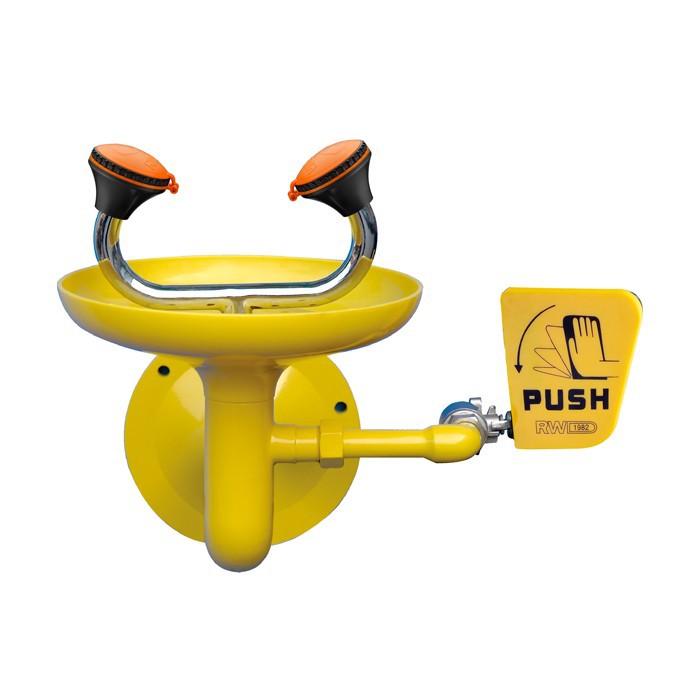
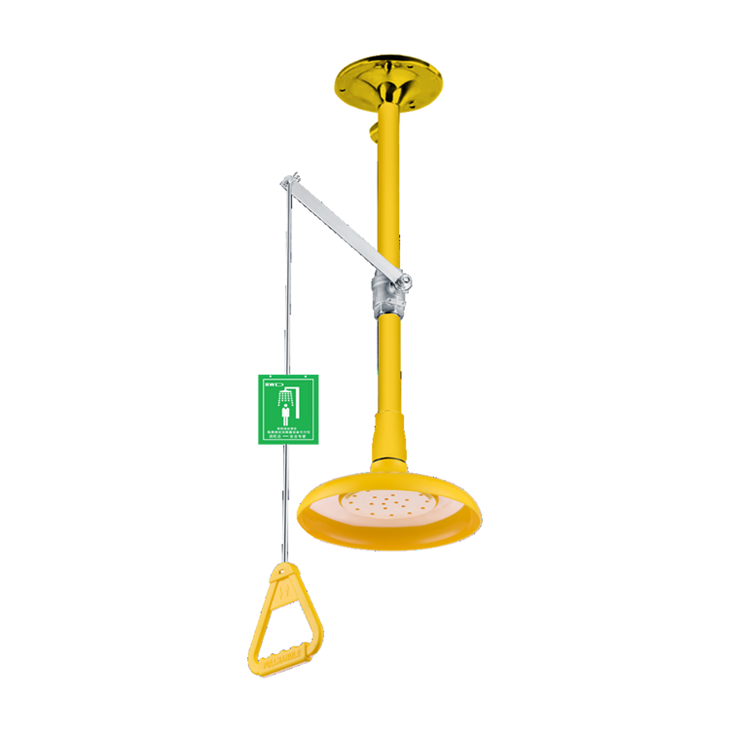
Our outdoor portable eyewash stations are designed for use in outdoor environments where access to a permanent water supply may be limited. These stations are easy to transport and can be quickly deployed in case of an emergency. Our wall-mounted eye wash stations are ideal for indoor use and can be installed in a variety of locations, such as laboratories, factories, and workshops. These stations are designed to provide a high flow rate of water and are easy to operate. Our wall-mounted eye washes are a more compact option and are suitable for smaller spaces.
Conclusion
The lifespan of an eye wash station in a room depends on several factors, including the quality of materials, frequency of use, maintenance and care, and environmental conditions. By following the maintenance tips outlined in this blog post, you can extend the lifespan of your eye wash station and ensure it functions effectively when needed. If you are in the market for a new eye wash station, we invite you to explore our range of products. Contact us to discuss your specific requirements and to learn more about how our eye wash stations can help keep your employees safe.
References
- Occupational Safety and Health Administration (OSHA). (n.d.). Emergency Eyewash and Shower Equipment. Retrieved from [OSHA website]
- ANSI Z358.1-2014. (2014). American National Standard for Emergency Eyewash and Shower Equipment.


