

How does fume extraction work in a woodworking shop?
Leave a message

Hey there, fellow woodworkers! If you're running a woodworking shop, you know how crucial it is to keep the air clean. Wood dust and fumes can be a real pain in the neck, not to mention a health hazard. That's where fume extraction comes in. As a fume extraction supplier, I've seen firsthand how effective these systems can be. So, let's dive into how fume extraction works in a woodworking shop.
Understanding the Problem
First things first, we need to understand what we're up against. When you're cutting, sanding, or shaping wood, you're creating a whole bunch of dust and fumes. Wood dust can contain all sorts of nasties, like mold, fungi, and even chemicals if the wood has been treated. Breathing in this dust over time can lead to some serious health problems, like respiratory issues, allergies, and even cancer.
Fumes, on the other hand, can come from things like glues, finishes, and the heat generated during the cutting process. These fumes can be just as harmful as the dust, causing headaches, dizziness, and long - term damage to your lungs and other organs.
How Fume Extraction Systems Work
The Basics of Suction
At the heart of any fume extraction system is suction. It's like a big, powerful vacuum cleaner for your workshop. The system creates a negative pressure zone, which means that air is drawn into the system. This is done using a fan or blower. The fan spins at high speeds, creating a flow of air that pulls the dust and fumes towards the extraction unit.
Collection and Filtration
Once the dust and fumes are sucked into the system, they need to be collected and filtered. There are different types of filters used in fume extraction systems, and each has its own job.

Pre - filters: These are the first line of defense. They catch the larger particles of dust, like wood chips and sawdust. Pre - filters are usually made of a coarse material, like mesh or foam. They're easy to clean or replace, which is great because they can get clogged up quickly.
HEPA filters: High - Efficiency Particulate Air (HEPA) filters are the real stars of the show. These filters are designed to trap extremely small particles, down to 0.3 microns in size. That's really, really tiny! HEPA filters can remove up to 99.97% of the particles in the air, making them essential for keeping your workshop air clean.
Carbon filters: Carbon filters are used to remove odors and harmful gases from the air. They work by adsorbing the molecules of the gases onto the surface of the carbon. This helps to get rid of that unpleasant smell that can build up in your workshop, and also removes some of the more toxic fumes.
Discharge
After the air has been filtered, it's ready to be discharged back into the workshop or outside. If the air is clean enough, it can be recirculated back into the workshop, which is great for energy efficiency. However, if there are still some contaminants in the air, it's better to discharge it outside.
Types of Fume Extraction Systems for Woodworking Shops
Portable Fume Extractors
Portable fume extractors are a great option for small woodworking shops or for those who need to move the extraction unit around. They're usually smaller and more lightweight than stationary systems. You can place them right next to the machine that's generating the dust and fumes, which makes them very effective at capturing the pollutants at the source. For example, if you have a benchtop router, you can use a Benchtop Fume Extractor to suck up the dust as it's being created.
Centralized Fume Extraction Systems
Centralized systems are more suitable for larger woodworking shops. These systems have a network of ducts that are connected to all the machines in the shop. The dust and fumes are collected from each machine and then transported through the ducts to a central extraction unit. This unit is usually larger and more powerful than a portable extractor, and it can handle a much higher volume of dust and fumes.
Extraction Arms
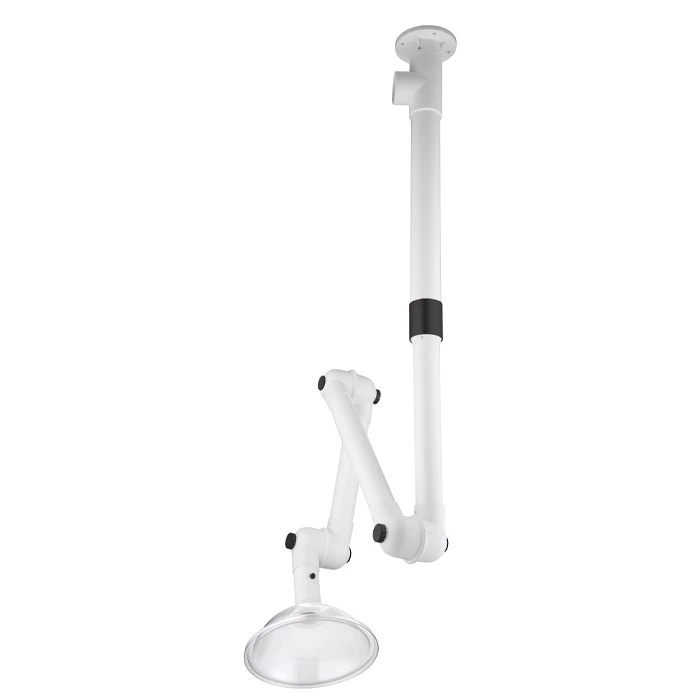
Extraction arms are another useful tool in a woodworking shop. They're flexible and can be positioned right over the source of the dust and fumes. You can move them around easily to get the best suction. For example, in a laboratory - style woodworking setup, you might use Laboratory Fume Extraction Arms or Extraction Arm For Laboratory to capture the fumes from a small - scale woodworking project.
Benefits of Using Fume Extraction Systems
Health Benefits
The most obvious benefit of using a fume extraction system is the improvement in your health. By removing the dust and fumes from the air, you're reducing your risk of developing respiratory problems, allergies, and other health issues. You'll be able to breathe easier and work in a much healthier environment.
Equipment Protection
Wood dust can also cause problems for your woodworking equipment. It can get into the moving parts of your machines, causing them to wear out faster and potentially leading to breakdowns. A good fume extraction system will help to keep your equipment clean and running smoothly, saving you money on repairs and replacements in the long run.
Compliance
In many areas, there are regulations regarding air quality in the workplace. Using a fume extraction system can help you to comply with these regulations, avoiding fines and legal issues.
Choosing the Right Fume Extraction System
When it comes to choosing a fume extraction system for your woodworking shop, there are a few things to consider.
Size of the Shop
The size of your shop will determine the type and size of the extraction system you need. A small shop might only need a portable extractor, while a large shop will require a centralized system.
Type of Woodworking
The type of woodworking you do will also affect your choice. If you're doing a lot of sanding, you'll need a system that can handle a large volume of fine dust. If you're using a lot of glues and finishes, you'll need a system with good carbon filtration to remove the fumes.
Budget
Of course, your budget is an important factor. Fume extraction systems can range in price from a few hundred dollars to several thousand dollars. You need to find a system that fits your needs and your budget.
Contact Us for Your Fume Extraction Needs
If you're interested in learning more about fume extraction systems for your woodworking shop, or if you're ready to make a purchase, we're here to help. We have a wide range of products to suit different needs and budgets. Whether you need a portable extractor, a centralized system, or an extraction arm, we can provide you with the right solution.
Don't let dust and fumes ruin your woodworking experience. Take control of the air quality in your shop today and invest in a high - quality fume extraction system.
References
- Woodworking Safety Guidelines, Occupational Safety and Health Administration (OSHA)
- Air Filtration Technologies: Principles and Applications, various industry publications


